
SALUS_Net — International Network for Citizen-Centered Digital Health in Cross-Border Regions
A growing community for citizen-centered, cross-border digital health
SALUS_Net is the international network that has emerged from the SALUS project and its accompanying academic activities—especially the DAAD-supported summer schools and workshop formats that have brought together researchers, students, and practice partners year after year. Its purpose is simple: create a stable, trusted space where people who care about citizen-centered health can collaborate across borders, disciplines, and sectors—turning ideas into prototypes, studies, teaching modules, and long-term partnerships.
At its core, SALUS_Net builds on the SALUS vision of a citizen-centered health platform for cross-border regions—regions where everyday life, work, and healthcare interactions naturally cross national boundaries and therefore require compatible digital services, governance models, and cooperative care pathways.
Why SALUS_Net exists
Cross-border regions are not “edge cases.” They are living laboratories for Europe’s big questions in healthcare digitization: interoperability, multilingual user experiences, trust and privacy, governance across jurisdictions, and the practical reality that citizens may receive care in more than one health system. SALUS_Net exists to tackle these challenges through collaboration that is:
- Interdisciplinary (informatics, medicine, psychology, public health, ethics, social sciences, design, and innovation)
- Transnational (partners who understand local contexts while building shared approaches)
- Practice-connected (bridging academic research with clinics, public actors, and innovation ecosystems)
- Education-driven (training the next generation through summer schools, workshops, and hands-on project work)
The SALUS workshops and events have repeatedly shown that progress happens fastest when a diverse group can meet, share real problems, compare approaches, and then keep working together after the event ends.
What connects the network
Citizen-centered digital health
SALUS_Net connects people around a shared set of themes and methods, including:
Designing services that start with citizens’ needs: understandable interfaces, clear consent and data-use explanations, inclusive access, and real-world usability.
Cross-border interoperability
Making digital health solutions usable across administrative boundaries: data models, interfaces, semantic interoperability, and process alignment—without ignoring legal and organizational reality.
AI and data-driven healthcare innovation
Applying machine learning responsibly in healthcare contexts, and building the data governance, quality, and evaluation culture needed to make AI useful and safe.
From research to impact
Turning research results into prototypes, pilots, transfer projects, or even entrepreneurial pathways—so that outcomes are not limited to publications but also improve real systems and services.
How the network works in practice
SALUS_Net is not a mailing list—it is a working network. Collaboration typically begins in one of three ways:
- SALUS events and workshops
For example, the SALUS 2024 scientific event—jointly organized by HTWG Konstanz and the University of Seville—brought together more than a hundred participants to discuss citizen-centered health in cross-border regions, including on-site and online formats that lowered barriers to participation. - Partner meetings and focused research sprints
SALUS partners also meet in smaller working formats to accelerate concrete outcomes. For instance, SALUS-related partner gatherings took place at New Bulgarian University, supporting intensive collaboration on AI-based healthcare topics and next-step planning. - Summer schools and training formats
The DAAD program landscape supports international academic exchange and summer school formats that deepen subject knowledge and enable real collaboration between early-career researchers and senior experts. Within SALUS_Net, these formats have been essential for building durable working relationships and giving students an authentic research-and-innovation experience.
What participants gain
For researchers:
SALUS_Net helps you find collaborators who are already working on compatible questions—whether you focus on platforms, sensors, privacy engineering, clinical evaluation, human-centered design, or cross-border governance. The network encourages joint publications, shared prototypes, and follow-on funding ideas.
For students and early-career researchers:
The summer-school and workshop culture is designed to be hands-on: working in teams, learning to communicate across disciplines, and building tangible outputs you can showcase—project results, posters, demos, or thesis topics that connect to an international context.
For practice partners (clinics, public actors, NGOs, innovation hubs):
SALUS_Net provides access to a pipeline of ideas and prototypes, and to experts who can translate needs into feasible digital concepts—while taking safety, ethics, and adoption barriers seriously.
Typical outcomes
While projects differ, SALUS_Net collaborations often lead to outcomes such as:
- Joint research questions shaped directly by stakeholder needs
- Prototype concepts for citizen-facing services in cross-border contexts
- Shared teaching modules and guest-lecture exchanges across institutions
- Student projects and theses that connect research with real deployment contexts
- Event series that grow participation over time and strengthen trust
What matters most is continuity: SALUS_Net is built to keep working between events—so that the “great workshop idea” becomes a concrete next step, a shared task list, and a follow-up meeting.
Members of SALUS_Net
Project Leader
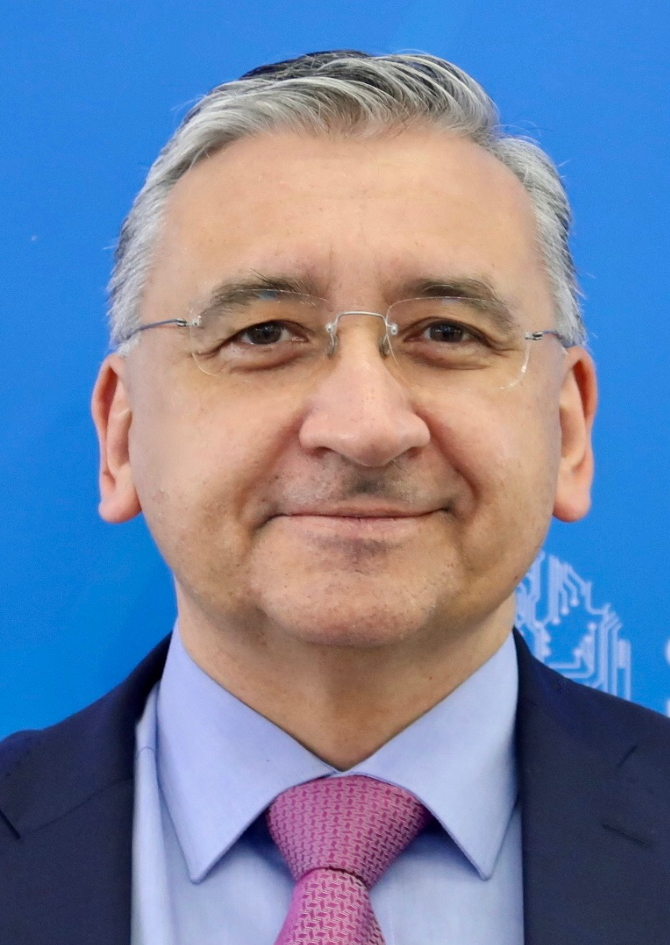
Prof. Dr. Ralf Seepold (HTWG Konstanz)
Prof. Dr. Ralf E.D. Seepold is Chair for Ubiquitous Computing at HTWG Konstanz – University of Applied Sciences in Konstanz, Germany. He also serves as the Director of both the Ubiquitous Computing Laboratory and the Interdisciplinary Sleep Laboratory. Throughout his academic and professional career, Prof. Seepold has built an internationally recognized research portfolio that bridges multiple disciplines, including computer science, biomedical engineering, digital health, artificial intelligence, and sleep medicine. His work focuses on developing integrated technological solutions that address real-world challenges in healthcare, aging, mobility, and infrastructure through innovation in ubiquitous systems, sensor-based data acquisition, signal processing, and embedded intelligence.
Prof. Seepold’s research is strongly interdisciplinary and application-oriented, with a core focus on noninvasive physiological measurement and the use of embedded and AI-driven systems for real-time health monitoring. At the intersection of medical IoT, sleep medicine, and ubiquitous computing, his work targets designing and implementing systems that integrate seamlessly into everyday environments while providing clinically relevant insights.
Albania
Prof. Dr. Elma Zanaj (Polytechnic University of Tirana)
has a PhD from Università Politecnica delle Marche, Ancona, Italy (2008). She has made significant contributions at Polytechnic University of Tirana when she started to work as Assistant in 2003 and 2021 she become Full Professor.
She has been Representative of the Internal Quality Assurance Group, Chairperson of the Learning-Research Group: “Electronic Systems and networks with sensors” of the Department of Electronics and Telecommunication, Vice-Dean of Faculty of Information Technology, Polytechnic University of Tirana. She has authored/coauthored over 50 papers, including book chapters and articles.
Dr. Arian Boci (Institute of Health, Social Policy and Research Development)
is a highly skilled program manager and researcher with over twenty years of national and international experience. Throughout his career, Mr. Boci has developed solid skills in successfully launching, managing, monitoring, and evaluating large-scale healthcare and digital health programs. He is well-known public health researcher, carrying out studies designed to answer certain questions and provide policy guidelines for the most vulnerable groups as well as providing great insight into preparing projects for funding through project identification and budget needs, acceptability and feasibility studies.
Arian Boci, is head of the Institute of Health, Social Policy and Research Development (IHSPRD) one of the oldest NGOs in the public health field in Albania.
Bosnia and Herzegovina
Prof. Dr. A. Badnjevic Almir Badnjević (University of Sarajevo)
is an accomplished expert in Biomedical Engineering, Medical Devices, and Artificial Intelligence. He is founder of Verlab Laboratory, a leading medical device testing facility. He has made significant contributions to global medical device measurement traceability framework. Dr. Badnjevic holds positions as a Full Professor at the International Burch University and University of Sarajevo, where he established pioneering Master and PhD programs in Bioengineering. With over 150 publications, including book chapters and articles, he is distinguished as one of the Top 2% world scientists by Elsevier. His leadership extends to editorial roles in reputable journals such as Technology and Health Care. His remarkable achievements have earned him numerous awards, memberships in prestigious scientific organizations, and a prominent standing in the field of medical and biological engineering.
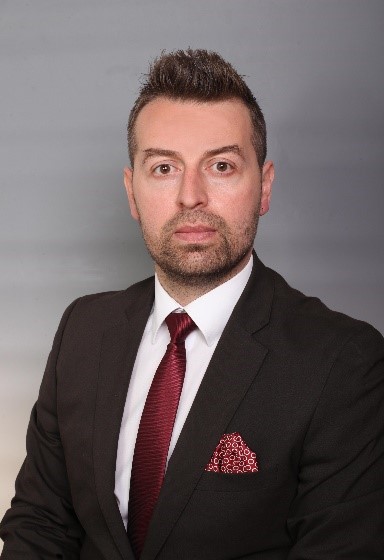
Prof. Dr.sc. Tamer Bego (University of Sarajevo)
is an associate professor at the Faculty of Pharmacy of the University of Sarajevo in the scientific field of Clinical Biochemistry. He graduated in the field of pharmacy, has a master’s degree in the field of genetics, a doctorate in pharmaceutical sciences and is a specialist in medical biochemistry. As an author and co-author, he published one monograph, 54 scientific and professional papers, and 54 scientific papers in the form of abstracts that are indexed in reference scientific databases. He was appointed as a mentor during the preparation of one doctoral dissertation and 14 master’s theses.
As a leader or team member, he is a participant in 16 international and domestic scientific research projects. He is currently the leader/coordinator of the consortium of the international project within the Erasmus+ program for capacity building in the field of higher education entitled: “Innovating quality assessment tools for pharmacy studies in Bosnia and Herzegovina” (IQPharm). He is also the leader of two projects whose main focus is the research of new potential biomarkers in early diagnosis, monitoring the status and outcomes of patients with COVID-19. He is an active member of the association whose most important goals are the promotion of scientific and professional fields in medical biochemistry and molecular diagnostics, as well as biomedical engineering. He holds the important function of FEBS Educational Ambassador(Federation of European Biochemical Societies) for Bosnia and Herzegovina and is active in EFLM (European Federation of Clinical Chemistry and Laboratory Medicine).
He participated in more than 80 international and domestic scientific and professional congresses, conferences, symposia, and gatherings.

Prof. Dr. Lejla Gurbeta Pokvić (Verlab Institute)
has a Ph.D. in Biomedical Engineering with a background in Electrical Engineering. Verlab Ltd Sarajevo. Technical manager at Verlab. Assistant professor at IBU. Associate Researcher at the University of Warwick, School of Engineering. Secretary General of Bosnia and Herzegovina Medical and Biological Engineering Society. IFMBE CED Collaborator from Bosnia and Herzegovina. Councillor at EAMBES.
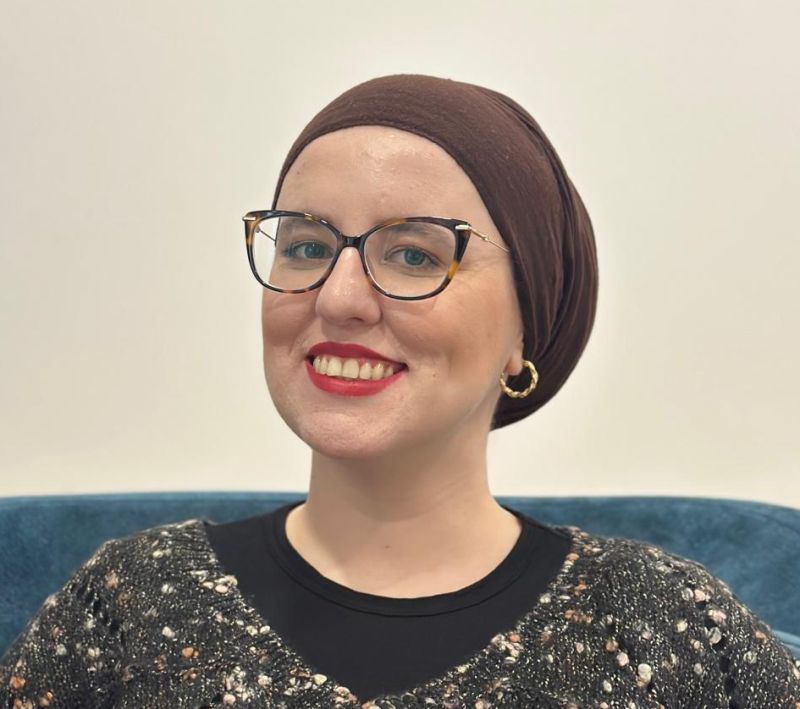
Dr. Adna Ašić (Verlab Institute)
Bulgaria
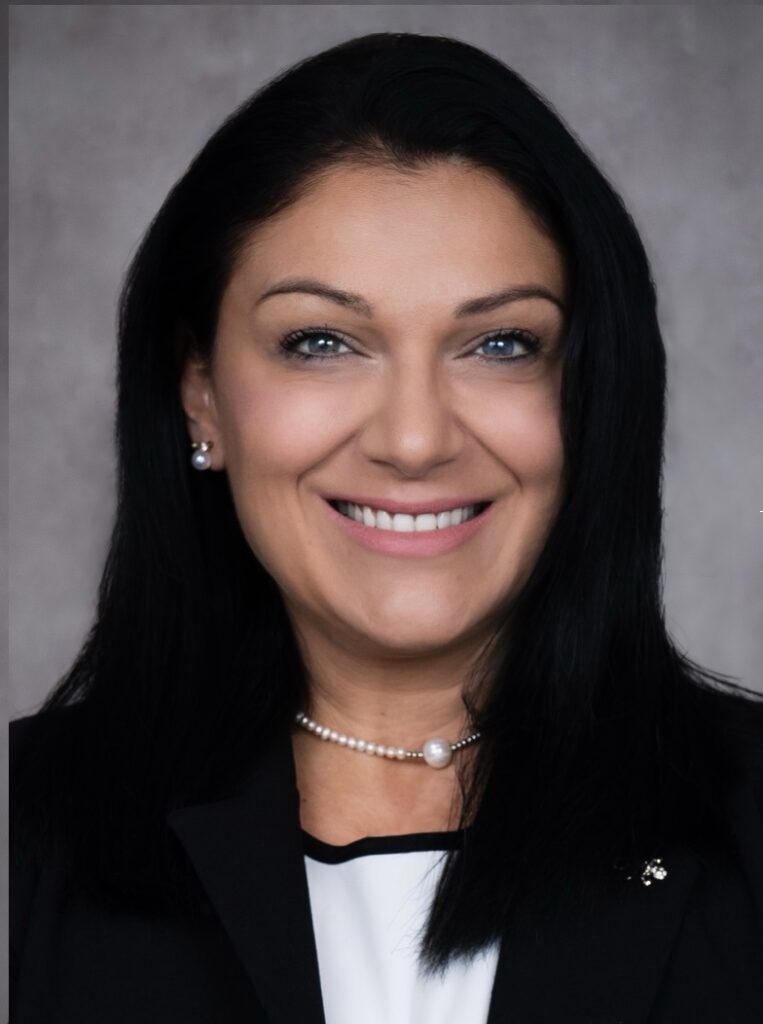
Prof. Dr. Polina Mihova (New Bulgarian University)
has a PhD in Computer and Communication Technology. Polina Mihova is a professor in Public health and a representative of the NBU for the Bulgarian Institute for Standardization. Polina Mihova’s main scientific interests are in the field of telemedicine, and development of mobile and software solutions in the field of medicine and healthcare.
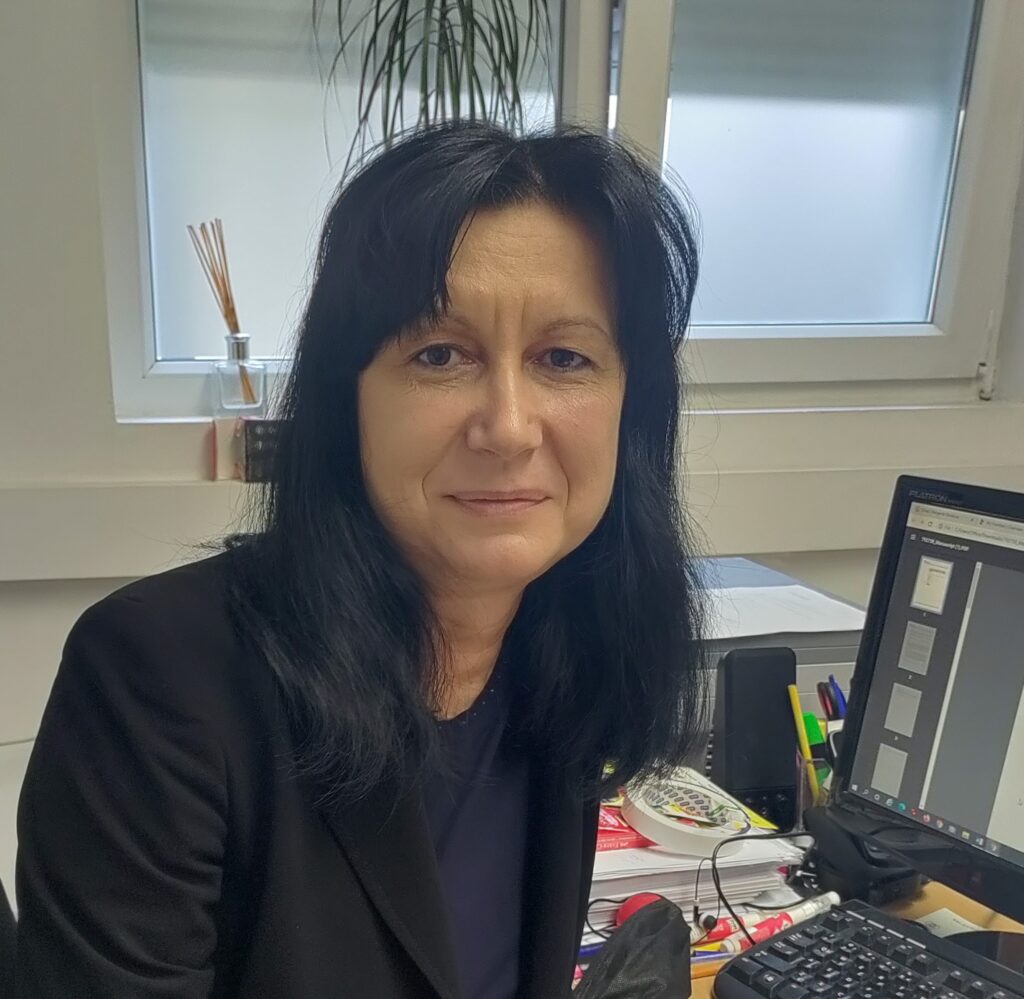
Prof. Dr. Margarita Stankova (New Bulgarian University)
Margarita Stankova, MD, PhD is a medical professional – psychiatrist, she has PhD in medicine. Margarita Stankova has 20 years of experience in higher education teaching in the field of Psychopathology, Developmental Psychopathology and Neuropsychology. She has been supervising students in Psychology, Speech and Language Therapy, Social Work, and Health Management. Dr. Stankova has developed courses in the field of illness behavior and personality influence in the manifestation of somatic and mental illnesses. She has participated in research and applied projects working with children and adults with Autism Spectrum Disorders, ADHD and other Neurodevelopmental disorders.
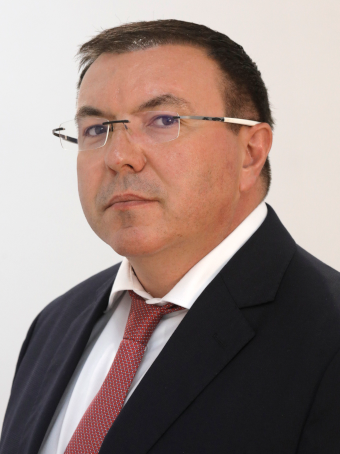
Prof. Dr. Kostadin Georgiev Angelov (UMHAT “Alexandrovska”)
Kostadin Georgiev Angelov is a Bulgarian surgeon and university lecturer with long-standing clinical, academic, and managerial experience at UMHAT “Alexandrovska”, where he worked as a surgeon and served as Executive Director (2013–2020). He holds a PhD in Surgery and has an established academic profile (Associate Professor in 2015; Professor in 2020), combining teaching in surgery with active research, scientific supervision, and participation in national and international research and healthcare-related projects. His scholarly output includes numerous publications in Bulgarian and international peer-reviewed journals, with over 40 Scopus-indexed articles, reflecting sustained research activity and international visibility. In public service, he served as Bulgaria’s Minister of Health (2020–2021) and later became a Member of Parliament. In the current parliamentary term, he is Chair of the Health Committee of the National Assembly of the Republic of Bulgaria, where he regularly presides over committee sittings and contributes to legislative and policy work in the field of healthcare.
Colomiba
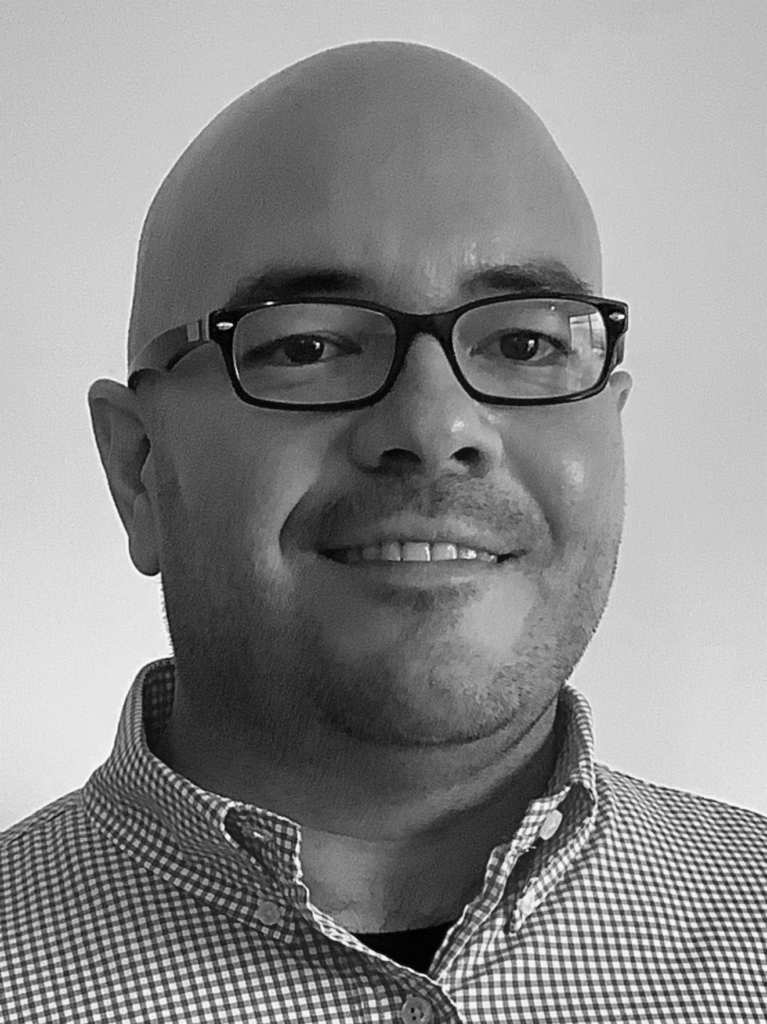
Prof. Dr. Julian D. Echeverry-Correa (Universidad Tecnológica de Pereira)
Germany
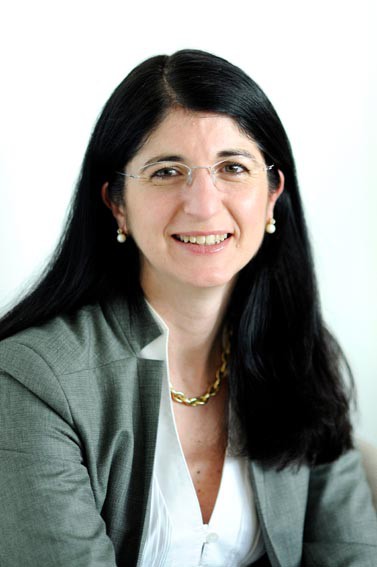
Prof. Dr. Natividad Martínez Madrid (Reutlingen University)
is head of the IoT Lab and Director of the AAL-Living Lab in Reutlingen. She is researching in wearable devices, biosignal acquisition and processing, big data and mobile health apps. Natividad is leading research work on sleep medicine and machine learning algorithms to support signal analysis and diagnosis processes.
Greece
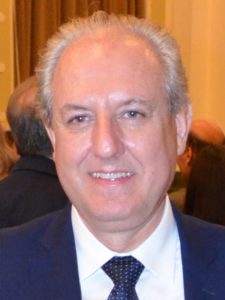
Prof. Dr. P. Bamidis (Aristotle University of Thessaloniki)
is a Professor of Medical Physics, Informatics and Medical Education and Director of the Lab of Medical Physics and Digital Innovation in the School of Medicine of the Aristotle University of Thessaloniki (AUTH), Greece. He designs, implements, and evaluates IT and Assistive Technologies systems that improve everyday activities of elderly or other vulnerable groups and improves their health or life quality or improves the education and training of health professionals. He conducts research that attempts to understand how the brain reacts to different stimuli, technological or educational interventions, as well as, the development and evolution of human emotions and sleep transitions. Co-creation and Living Lab approaches are within his active interests. He is the co-ordinator of more than 12 large European projects, and the principal investigator for many national and international funded projects.
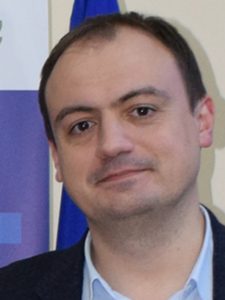
Dr. George E. Dafoulas (University of Thessaly)
was trained in Internal Medicine and holds a Master’s in Business Administration in Health Services Management from the Nottingham Business School-Nottingham Trent University, UK. He was a visiting scholar in CSAIL-MIT, Cambridge-Boston, USA, working on the topics of open source/open science for Global Health. He has worked as EHTEL Medical Officer and as a Clinical Research fellow of the Faculty of Medicine in the University of Athens, Greece and of University of Birmingham, UK, in projects related to Diabetes, as well as e-health and e-care services and real-world data analytics. He has participated in the organising committee of Heath Hackathons and Datathons. He is a Clinical Research Fellow on Digital Diagnostics and Therapeutics at the Faculty of Medicine, University of Thessaly and CMO of Innovation Sprint.
Jordan
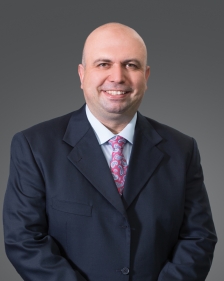
Prof. Dr. Hisham ElMoaqet (German Jordanian University)
earned his Bachelor’s and Master’s degrees in Mechanical Engineering with a focus on Mechatronics from the Jordan University of Science and Technology in 2002 and 2006. He completed his PhD in Mechanical Engineering, specializing in Mechatronics, at the University of Michigan in 2015. From 2015 to 2016, he was a research fellow there. In 2016, he became an Assistant Professor in the Mechatronics Engineering Department at the German Jordanian University. His research focuses on dynamic systems, modeling, control, machine learning, and mechatronic systems design.
Montenegro
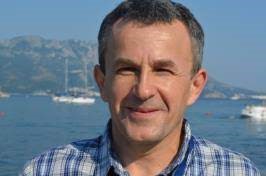
Prof. Dr. R. Stojanovic (University of Montenegro)
leads International Doctoral Programme on Sustainable Development and Centre for Medical Electronics at University of Montenegro. Radovan is one of the pioneers in the introduction of Biomedical Engineering and related technologies in the Western Balkans.
North Mazedonia
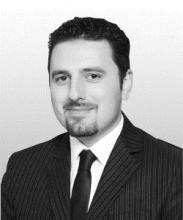
Prof. Ph.D. Ivan Chorbev (Ss. Cyril and Methodius University)
Professor at the Faculty of Computer Science and Engineering, Ss. Cyril and Methodius University in Skopje, Republic of North Macedonia. In his research work, he has participated in more than 35 scientific papers in books, magazines and conference proceedings. The fields of his research interests include combinatorial optimization, heuristic algorithms, constraint programming, web development technologies, software testing, application of computer science in medicine and telemedicine, medical expert systems, knowledge extraction, and machine learning. He is an author of one university textbook and a reviewer of another one.
Romania
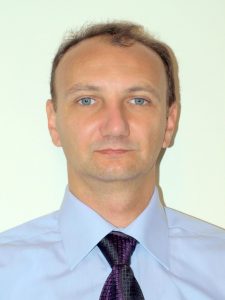
Prof. Dr. M. Focsa (“Victor Babes” University of Medicine and Pharmacy, Timisoara)
is a specialist in Public Health, professor of Medical informatics and Biostatistics, EC expert for Horizon framework programmes, and editor of JMIR publications. He was involved as a member or team leader in several European and national research projects related to EHR systems (QREC, EHR-QTN, epSOS) and eLearning.
Serbia
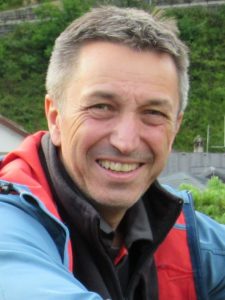
Prof. Dr. G. Devedzic (University of Kragujevac)
is professor at Faculty of Engineering, University of Kragujevac, Serbia. His research interests focus on the advanced product and process development, industrial and medical application of soft computing techniques, and bioengineering.
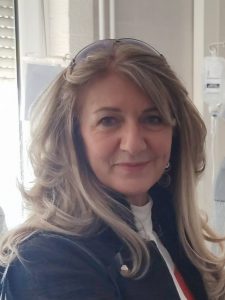
Prof. Dr. Danijela Milosevic (University of Kragujevac)
is a full professor, head of the department of IT, and dean at the Faculty of Technical Sciences in Cacak, University of Kragujevac, Serbia. Her research interests are artificial intelligence, intelligence systems, and bioengineering.
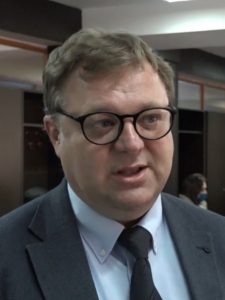
Prof. Dr. Vladimir Mladenovic (University of Kragujevac)
is an associate professor at the Faculty of Technical Sciences in Cacak, University of Kragujevac, Serbia. His research interests focus on 5G EDGE computing, wireless communication, IoT, artificial intelligence, machine learning, neural networks, deep learning, Image processing and computer vision, symbolic computation and processing, and fast algorithms.
Spain
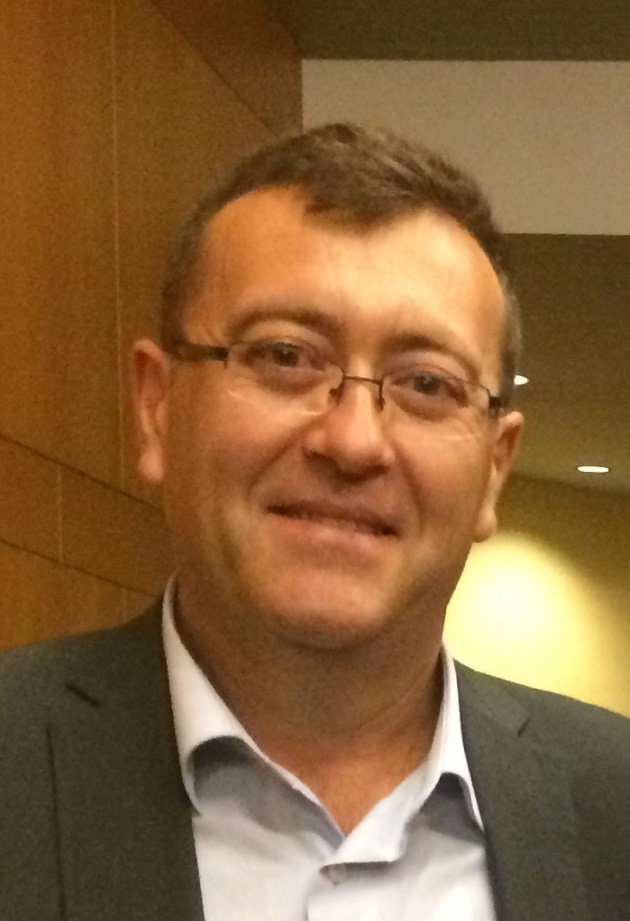
Prof. Dr. Juan Antonio Ortega (University of Seville)
is a Full Professor at the University of Seville (Spain) and the director of the Excellence Research Group IDINFOR (TIC223) – Research, Development, and Innovation in Computing Science. He has published over 50 papers in indexed journals and contributed more than 150 presentations to international conferences. Additionally, he has led over 60 research and knowledge-transfer projects for companies and industry.
His research interests include Artificial Intelligence and Health, Computer Science, Assisted Information Systems, and their applications to business and the real world.
He previously served as Deputy Director of the School of Computer Engineering at the University of Seville for four years and as Director of the Scientific Computer Center of Andalusia for the Government of Andalusia in Spain for fifteen years.
United States
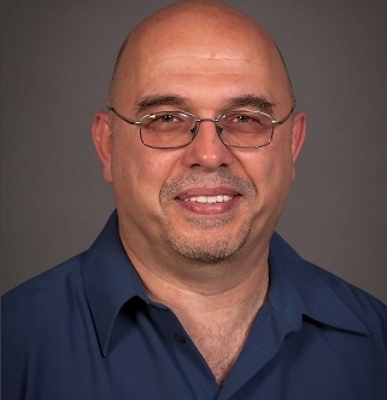
Prof. Dr. Ivan Ivanov (Texas A&M University College of Engineering)
is a Research Professor in the Department of Biomedical Engineering at Texas A&M University and a Clinical Professor in the College of Veterinary Medicine & Biomedical Sciences. His work focuses on bioinformatics and computational biology, including genomic signal processing and data-driven analysis of biological data.